The Kawasaki ER 6 is one of the best-selling middleweights Kawasaki has ever produced. Between 2006 and 2016, tens of thousands of units rolled off the production line, both as a naked (ER-6n) and with a half fairing (ER-6f). The liquid-cooled 649 cc parallel twin with 72 hp made the motorcycle popular with riding schools, commuters and new riders, but also with experienced riders looking for a light and agile machine. At Motorparts-online.com you will find an extensive range of new and used parts for all generations of the Kawasaki ER 6.
Kawasaki offered the ER 6 in two variants from the very start. The ER-6n is the naked version with a compact front cowl and a vertically stacked headlight. The Kawasaki ER 6 F is the fully faired variant, sold in some markets as the Ninja 650R. Technically, both motorcycles are virtually identical: the same frame, the same engine, the same suspension and brakes. The difference lies in the bodywork, the windscreen and the headlight unit.
For ordering parts, this distinction matters. Fairing panels, headlight, windscreen and mirror set are not interchangeable between the n and f variants. Parts such as the engine block, exhaust, wheels, brake callipers, gear lever and electrical components are the same for both versions. Always check when ordering whether the part is specific to the n or f, or fits both.
Browse the full Kawasaki parts range if you are also looking for parts for a different model.
The Kawasaki ER 6 was produced in three generations, and each generation introduced changes that directly affect parts compatibility.
First generation (2006-2008)
Featured a diamond-shaped steel frame, 41 mm telescopic forks without adjustment and the characteristic offset rear shock absorber. The exhaust ran underneath the engine block and the brakes consisted of dual 300 mm petal discs at the front with two-piston callipers. ABS was not available during this period.
Second generation (2009-2011)
Received a completely new frame, updated bodywork, new instrumentation and an improved fuel injection mapping. The base engine remained unchanged, but the ergonomics and appearance changed significantly. From this generation onwards, ABS was available as an option.
Third generation (2012-2016)
Introduced yet another new frame (perimeter type), a taller fuel tank, 20 mm wider handlebars and a two-piece seat. The forks gained 15 mm of additional travel and the shock absorber 5 mm. The engine received revised injection settings and an ECU update that broadened the torque range. An eco indicator appeared on the dashboard.
Parts such as frames, subframes, seats, exhausts and bodywork are not interchangeable between these generations. The engine itself has remained fundamentally the same, but drivetrain and suspension components may differ per generation.
At the heart of the Kawasaki ER 6 is a liquid-cooled 649 cc parallel twin with a 180-degree crankshaft, double overhead camshafts and eight valves. The engine block produces 72 hp at 8,500 rpm and 64 to 66 Nm of torque at 7,000 rpm, depending on the model year. Kawasaki deliberately chose a parallel twin rather than an inline four or V-twin: the block is more compact and lighter than both alternatives, enabling the narrow build of the ER 6.
The 180-degree crankshaft produces an uneven firing interval of 180 and 540 degrees, giving the engine a distinctive character and a recognisable sound. The large bore of 83 mm provides plenty of pulling power in the low and mid-range, exactly where a daily-use motorcycle needs it. This engine block proved so successful that Kawasaki also used it in the Versys 650, meaning many internal engine parts are shared between both models.
Mechanically, the block is solid. Valve clearances need to be checked every 26,000 km and the standard service intervals are 6,000 km for oil and oil filter. At higher mileages, the stator deserves extra attention, as it may show reduced performance on some examples after prolonged use.
The Kawasaki ER 6 is a relatively straightforward motorcycle to maintain, but after years of use there are parts that more frequently need replacing.
Fairing panels top the list, especially on the ER-6f. The half fairing, side panels and mirror housings are quickly damaged in a drop. Because the ER 6 is often used as a first larger motorcycle, crash damage parts are in high demand. For the ER-6n, the small front cowl and side panels with integrated indicators are more commonly needed.
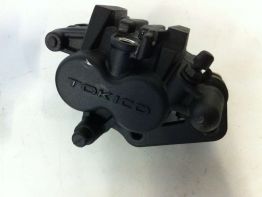
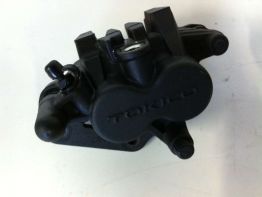
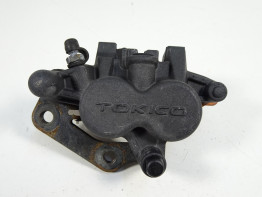
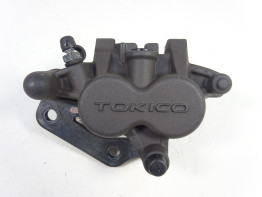
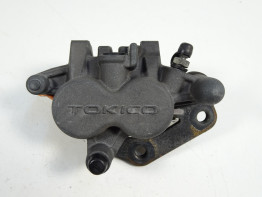
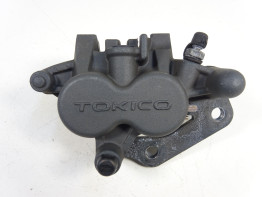
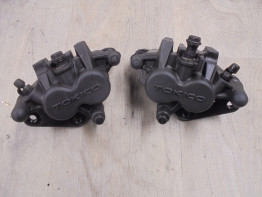
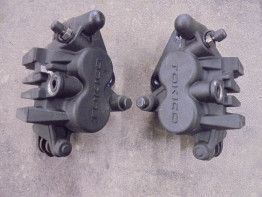
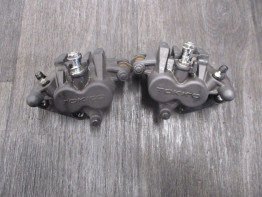
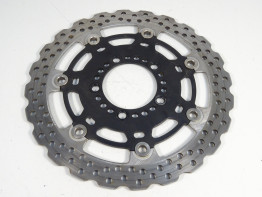
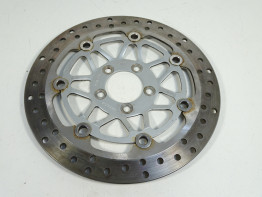
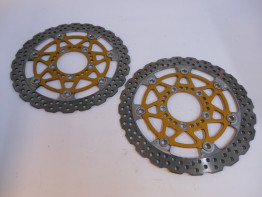
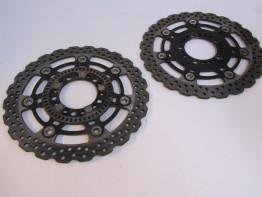
The front brake discs are characteristic 300 mm petal discs. These are prone to wear and need replacing at higher mileages. The same applies to the two-piston brake callipers, which on older examples can suffer from seized pistons.
Additionally, the chain kit (sprockets and chain), clutch kit and radiator are frequently sought parts. The finish of the ER 6 is known to be vulnerable to corrosion, particularly on the exhaust system, fork legs and frame welds. An original exhaust in good condition is therefore a prized find for owners who want to keep their ER 6 in original condition.
At Motorparts-online.com you will find both new and used parts for the Kawasaki ER 6, with new stock added weekly.
The Kawasaki ER 6 was produced from 2006 through to 2016 in three generations: 2006-2008, 2009-2011 and 2012-2016. From 2017, the naked version was replaced by the Kawasaki Z650 and the faired version by the Ninja 650. Although the successors are built on a new platform, their parts are not interchangeable with the ER 6.
Engine block, drivetrain, wheels, brake callipers and many electrical components are identical between the ER-6n and ER-6f. However, fairing panels, headlight, windscreen, mirrors and their mounting points are specific to each variant. Always check when ordering whether the part fits the n or f version.
Both models share the same 649 cc parallel twin engine block and many internal components. However, the Versys 650 has a different frame, longer-travel suspension, an upright riding position and larger wheels. Frame parts, bodywork and suspension components are not interchangeable, but internal engine parts such as pistons, valves and camshafts are the same.
The ER 6 is one of the most popular entry-level models in the middleweight class. The low weight (around 204 kg ready to ride), the low seat height, the accessible power output and the smooth throttle response make it suitable for less experienced riders. In addition, purchase prices on the second-hand market are low and parts are widely available.
The engine itself is mechanically strong and easily reaches high mileages. Known weak points include the finish (prone to corrosion on the exhaust system and fork legs), the stator at high mileages, and the relatively soft standard suspension which may need replacing with intensive use. The fairing panels are vulnerable in a fall, which given the motorcycle's use as an entry-level model is a common issue.
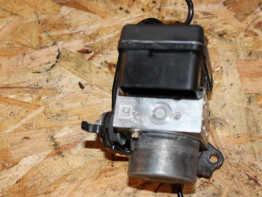
ABS pump €210.00 |
| Kawasaki ER 6 |
2012 - 2016 |
| Used part. Normal Use |
| Su 25 Oct - Th 29 Oct |

Air cleaner €25.00 |
| Kawasaki ER 6 |
2009 - 2011 |
| New |
| Mo 26 Oct - Th 29 Oct |
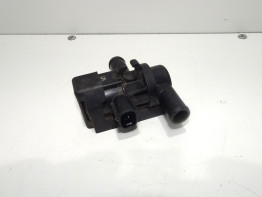
Air flow meter €20.00 |
| Kawasaki ER 6 |
2007 - 2011 |
| Used part. Normal Use |
| Mo 26 Oct - Th 29 Oct |
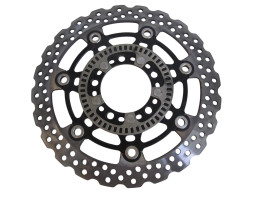
Braking Disc left .. €134.95 |
| Kawasaki ER 6 |
2012 - 2016 |
| Used part. Normal Use |
| Tu 27 Oct - Fr 30 Oct |
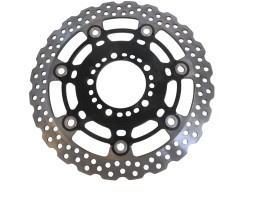
Braking disc right.. €134.95 |
| Kawasaki ER 6 |
2012 - 2016 |
| Used part. Normal Use |
| Tu 27 Oct - Fr 30 Oct |
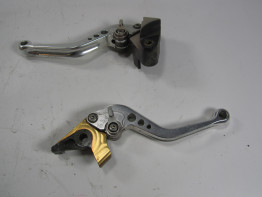
Braking lever €34.95 |
| Kawasaki ER 6 |
2012 - 2015 |
| Used part. Normal Use |
| Mo 26 Oct - Fr 30 Oct |